


 Send Inquiry
Manganese Carbonate
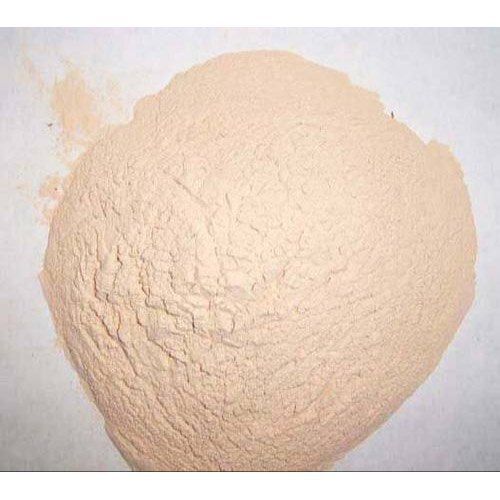

Manganese Carbonate Specification
- CAS No
- 598-62-9
- Shelf Life
- 24 Months
- Size
- Powder Form
- Usage
- Used in fertilizer formulations, pharmaceutical intermediates, animal nutrition, ceramics and pigments
- Molecular Formula
- MnCO3
- Ph Level
- 6.0 7.0 (5% solution)
- Density
- 3.125 Gram per cubic centimeter(g/cm3)
- Molecular Weight
- 114.95 g/mol
- Melting Point
- Decomposes at 200C
- Purity
- 99% minimum
- Storage Instructions
- Store in tightly closed container; keep in a cool, dry, well-ventilated place
- Boiling point
- Not Applicable (Decomposes)
- Physical State
- Solid
- Packaging Type
- HDPE Bags with Inner Liner / Drums
- Grade
- Technical Grade
- Type
- Inorganic Compound
- Application
- Ceramics, Pharmaceuticals, Fertilizers, Animal Feed, Paints & Pigments, Chemical Synthesis
- Appearance
- Pinkish or Light Pink Powder
- Purity(%)
- 99%
- Moisture
- 0.5%
- Iron Content (Fe)
- 0.02%
- Chloride Content (Cl)
- 0.005%
- Toxicity
- Low toxicity; handle with care
- Solubility
- Insoluble in water; soluble in acids
- Color Index
- Pigment Red 101
- Odor
- Odorless
- Bulk Density
- 1.4 1.6 g/cm
- Lead Content (Pb)
- 0.005%
Manganese Carbonate Trade Information
- Minimum Order Quantity
- 1000 Kilograms
- Supply Ability
- 10000 Kilograms Per Week
- Delivery Time
- 3-5 Days
- Main Export Market(s)
- Central America, Asia, Australia, Eastern Europe, Africa, North America, South America, Western Europe, Middle East
- Main Domestic Market
- All India
About Manganese Carbonate
Manganese carbonate is widely used as an additive to plant fertilizers to cure manganeseIt is also used in health foods, in ceramics as a glaze colorant and flux, and in concrete stains. It is used in medicine as a hematinic.Key Properties and Composition
With a molecular weight of 114.95 g/mol and a purity of 99%, Manganese Carbonate is provided in solid powder form. Its bulk density is rated between 1.4-1.6 g/cm3, and it is characterized by negligible moisture (0.5%) and minimal iron, lead, and chloride content. The compound exhibits a pink hue and is registered under CAS No: 598-62-9.
Application Versatility
This technical grade compound finds use in diverse industries: fertilizer formulations, animal nutrition, ceramics, pigments, and pharmaceutical intermediates. Its low toxicity and odorless quality contribute to safety during handling, while the pigment red 101 index adds value for colorant applications.
Safe Handling and Storage
Manganese Carbonate decomposes at 200C rather than melting or boiling, underscoring the need for temperature control. Store this inorganic powder in tightly closed containers, keeping it in a cool, dry, and well-ventilated area. Packaging includes HDPE bags with liners or drums, ensuring product integrity.
FAQ's of Manganese Carbonate:
Q: How should Manganese Carbonate be stored to maintain its quality?
A: To ensure optimal shelf life and stability, Manganese Carbonate should be stored in tightly closed containers, kept in a cool, dry, and well-ventilated location. Avoid exposure to moisture and high temperatures, as the compound decomposes at 200C.Q: What are the main uses of technical grade Manganese Carbonate?
A: Technical grade Manganese Carbonate is utilized in fertilizer formulations, animal feed, ceramics, pigment manufacturing (Pigment Red 101), pharmaceuticals, chemical synthesis, and as an additive in paints. Its versatile profile supports many industrial applications.Q: When should Manganese Carbonate be handled with care despite its low toxicity?
A: Even though it has low toxicity, Manganese Carbonate should always be handled with care during storage, transportation, and application. Use personal protective equipment and avoid inhalation or contact with eyes or skin, particularly in enclosed spaces.Q: Where is Manganese Carbonate commonly exported and sourced?
A: Manganese Carbonate is widely exported, supplied, and traded by companies based in India, serving global demand in various manufacturing and processing industries.Q: What is the process for using Manganese Carbonate in fertilizer formulations?
A: In fertilizer manufacturing, Manganese Carbonate is incorporated as a micronutrient supplement. It usually undergoes blending or mixing with other components, contributing to soil enrichment and promoting healthy plant growth.Q: How does the appearance and physical state of Manganese Carbonate benefit its users?
A: As a pinkish or light pink powder with odorless characteristics, Manganese Carbonate offers easy handling, precise dosing, and effective dispersion in industrial mixing processes, adding value in pigment, ceramic, fertilizer, and pharmaceutical applications.Tell us about your requirement

Price:
Quantity
Select Unit
- 50
- 100
- 200
- 250
- 500
- 1000+
Additional detail
Mobile number
Email


SONU CHEM
All Rights Reserved.(Terms of Use)
Developed and Managed by Infocom Network Private Limited.
Developed and Managed by Infocom Network Private Limited.

